|
| Home | Pure Shilajit collects from Himalaya ▲, filter, Lab testing - Contact: 9289463545 |
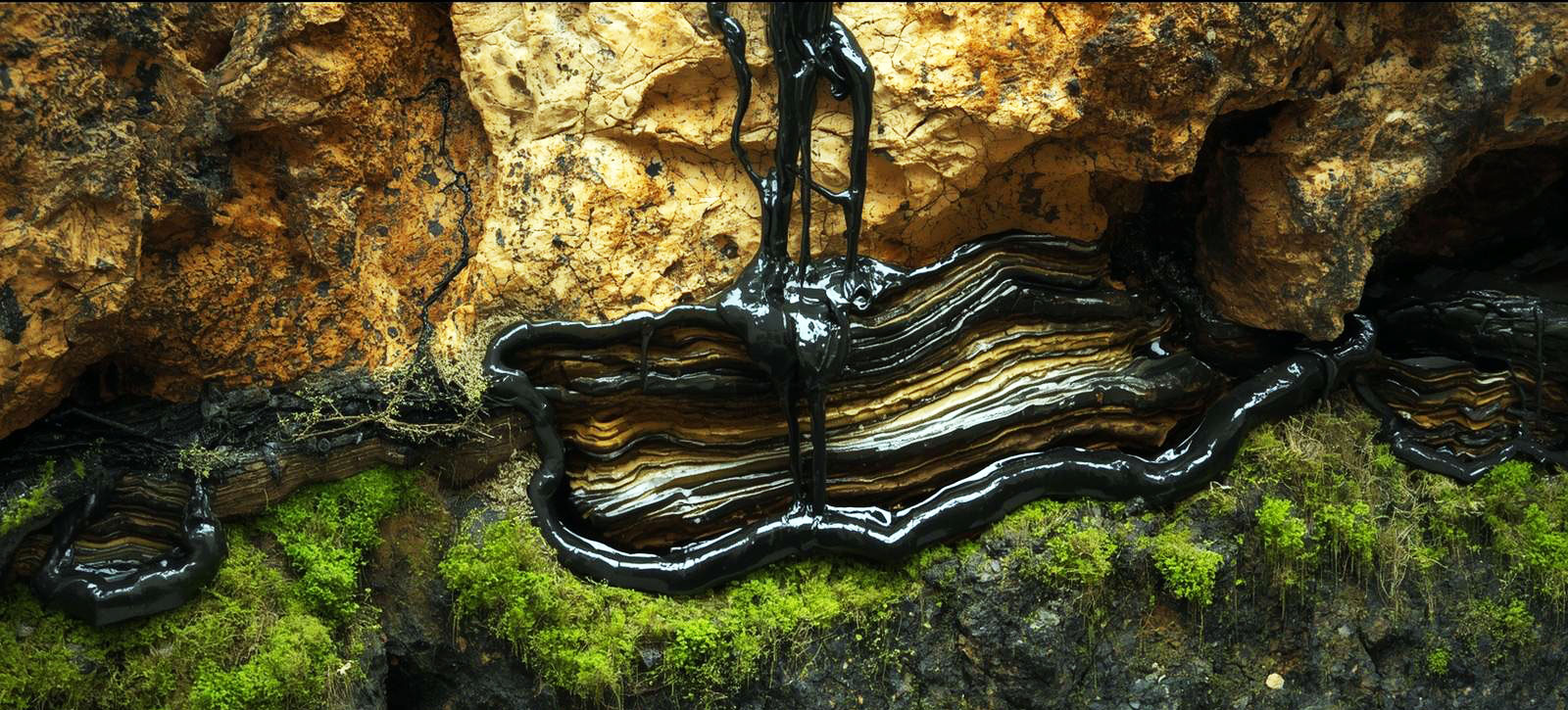
Shilajit is a dark brown (black) thick, sticky substance full of minerals found in high-altitude mountains specially on Himalayan rocks, it is also called as SWET of Himalayas, Himalya Parwat ka Paseena. Asphaltum punjabianum Mostly found in Indian states in Himachal Pradesh, Uttarakhand, Kashmir, Other countries: Ladakh, Afghanistan, Nepal, Tibet and Central Asia.
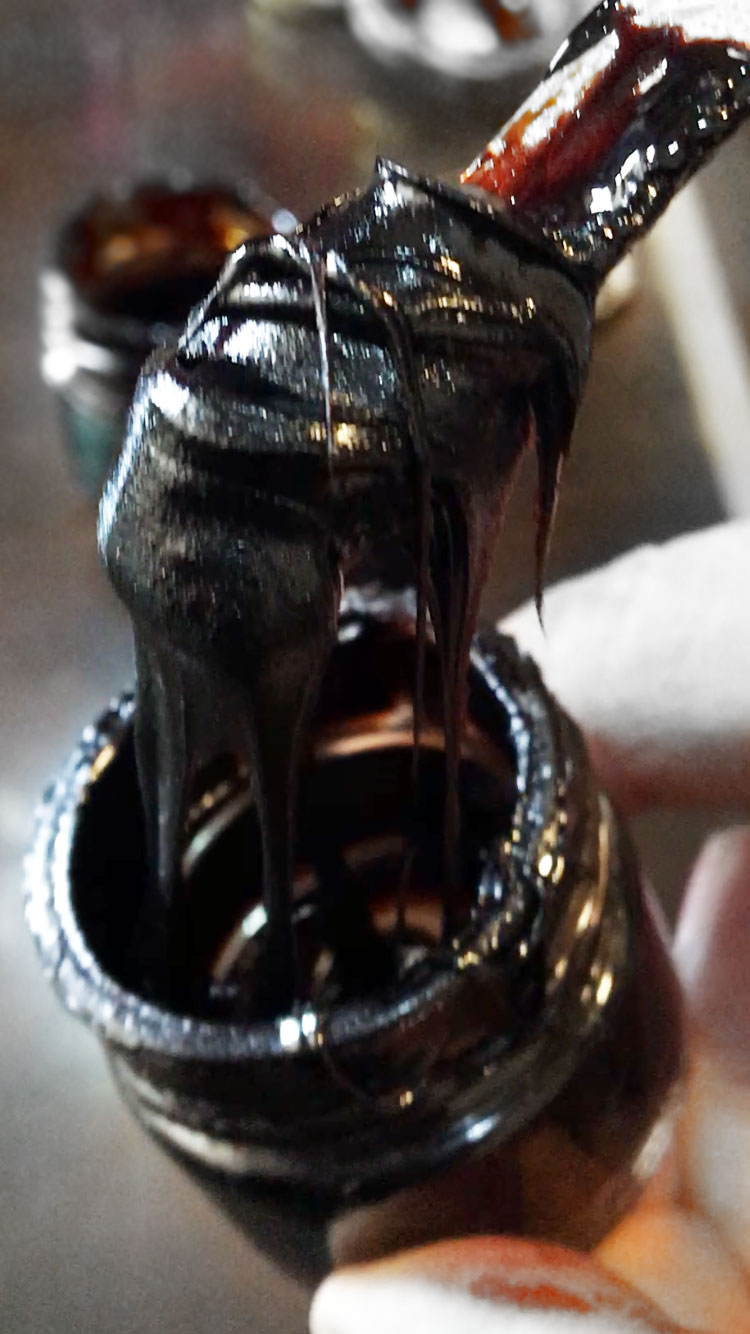
it’s known as Salajeet according to Ayurveda, and used as a best rejuvenator for over centuries. Shilajt is dark brown substance having medicinal properties according to traditional madicinal practices. Actually shilajit is an extract of decaying animals, plants and other natural material (animals, herbs and shrubs). It is including Jadibuti, medicinal plants, animals, mineral and metals which are found in mountain rocks. When they are decayed and lie for 100s of years on mountains, then from a compund substance called SHILAJIT. People get it from there in the form of black rocks mixed with dust paticles, which is later on filtered by different methods to get the shilajit in resin form. Now it is ready for consume. Best method is traditional method to make it consumable.
Fulvic acid and other humic substances are the main make up 60–80% of its organic content, along with over 40 essential minerals and trace elements like iron, magnesium, zinc, and selenium. Health Laboratory and preliminary studies suggest possible effects on cognitive health, testosterone levels, energy & stamina, anti-aging, fertility, and exercise recovery. Indian Himalayan Shilajit is considered the premium source of it:
Traditional and minimal processing method such as low-heat concentration, help preserve nutrient content. How to Identify the Best Quality Shilajit Resin High-altitude Himalayan origin Look for products sourced explicitly from the Indian Himalayan belts (Himachal Pradesh, Uttarakhand), harvested Traditional purification: authentic resin should be water-filtered and low-heat dehydrated, without chemical additives or spray-drying. 3. Lab-tested heavy-metal report: Ensure the shilajit provides third-party lab testing results confirming that the level of heavy metals like arsenic, lead, mercury, and cadmium is low. 4. High fulvic acid percentage (ideally 65–80%) This is considered the key active molecule for many of shilajit’s believed effects. 5. Pure resin form, not powder or capsules Resin is traditionally preferred. Pure samples should be sticky, viscid, and soluble in warm water but not in alcohol Example of Premium-Quality Indian Resin: One widely recognized product “Best Shilajit Ever™” is sourced from the remote high-altitude Indian Himalayas which is traditionally purified and minimally processed While sold internationally, it originates in India and is praised for adhering to purity standards. Safety warnings: Suitable for adults; avoid if pregnant/breastfeeding or on medications Shilajit from India's high Himalayas remains the most esteemed source for traditional and potent resin. While preliminary evidence supports certain health benefits especially cognitive and reproductive it is crucial to choose lab-tested, traditionally processed shilajit, and consult with a healthcare professional before consuming it. So I hope it is clear that what is shilajit? Also look for Benefits of Shilajit |
|
Discovery of Shilajit
After knowing its medicinal values people kept secret for many years from general public but yes selling to those holding high place in society, like Kings and soldiers, yogis and wealthy people.
Shilajit is a natural substance that collects from rocks in the Himalayas and other mountain ranges spread all over Asia. so it was not “discovered” in the modern sense by a single scientist or explorer. Instead, its discovery is rooted in past observations and traditional knowledge of monks, sadhus, Hakim, Vaid and other local people living for thousands of years in near by Himalayas mountain ranges.
Ayurvedic Physicians: The first documented use of Shilajit is found in Ayurvedic texts aprox 2,000–3,000 years ago, and added of its medicinal properties by Ayurvedic physians. Thus, the Ayurvedic sages and physicians of ancient India are considered the earliest discoverers . Traditional Healers Across Cultures In Persian & Arab medicine → It was adopted in Unani medicine and called as Hajar-ul-Musa. In Tibet → It was named Brag-shun and used in Tibetan healing practices. Scientific Rediscovery In modern times, scientists studied Shilajit and identified Fulvic Acid, Humic substances, minerals, and antioxidants as the source of its health benefits. Research in the 20th and 21st centuries has validated many of the claims made in ancient texts. It found that in Indian medicines of old Ayurvedic Documentation it was mentioned between (1000 BCE – 500 CE) It is recommended general vitality and health supplement increase testestorone which is boost energy.
Modern researchers began isolating compounds in Shilajit.
Found rich sources of Fulvic Acid, Humic Substances, 80+ minerals, and antioxidants quality. Conclusion The discovery and use of Shilajit has a great significance that making its successful journey from ancient period to modern science. from Himalayas mountain ranges to the litrature of Ayurvedic medicines. From ancient period to modren wolrd we know the importance of shilajit in ayurvedic medicines and food supplements. Shilajit has always been known as a powerful health supplement and energy booster. Over centuries, it found a place in Ayurvedic, Unani and Tibetan medicine, where it was valued for vitality, stamina, and overall wellness. In modern times, scientific research has validated many of these traditional claims by identifying Fulvic Acid, Humic substances, and essential minerals as the key components behind its effects. Today, Shilajit hold medicinal, and global significance as a natural remedy for health, energy, and longevity. Historically, Raja and Maharajas (Indian kings and nobles) did use Shilajit, and it held a special place in royal medicine. It was seen not just as a medicine but also as a royal elixir of vitality, power, and energy.
Use of Shilajit by Rajas & Maharajas Royal Ayurvedic Preparations
|
|
Royal Connection of shilajit Shilajit has always been regarded as a precious and powerful substance in Indian medical history. Due to its rarity, strength-enhancing qualities, and rejuvenating powers, it was highly valued by Rajas, Maharajas, and noble families across India.
Enhancing Strength and Vitality Preparation in Royal Alchemy (Rasa Shastra) Mental Clarity for Rulers
Royal Anecdotes and Folklore
|
History of Shilajit Shilajit is one of nature’s most fascinating and mysterious substances, a thick, sticky, tar-like resin that seeps out from the rocks of the Himalayas and other high mountain ranges like the Hindu Kush, and Tibetan mountains. It is a organic natural mineral resin formed substance formed over thousands to millions of years by the slow decomposition of plant matter, moss, and microbial life, it becomes trapped and compressed in the mountain layers. The unique combination of extreme pressure, heat, and rich geology transforms it into a mineral-rich, bioactive resin.
Shilajit is a remarkable, naturally occurring resin formed from ancient plant matter high in the Himalayas. Rich in fulvic acid and minerals, it has been treasured in Ayurveda as a rejuvenator that nourishes the body and mind, and remains one of the world’s most unique natural health treasures.
Shilajit is a highly effective, natural earthern substance full with minerals found in the natural form resin, which is formed from decayed plant matter in the Himalayas mountain. It is like treasured for traditional ayurvedic medicine as a highly supportive and enhance the effects of other madicines, and source of minerals, known for its energy booster quality, strength, and overall wellness. It has several names as Silajeet, shilajit kala jaadu, black gold etc. Historical Background of Shilajit It is treasured with so many health benefits and play an important role in traditional medicine
Ancient Origins of Shilajit Shilajit has been known in nature for thousands of years. In ancient times, it was considered a rare and valuable substance, often found in the Himalayan mountains and other rocky regions. For centuries, it has played an important role in Ayurveda and Unani medicine, two of the oldest healing systems in India and Asia. These traditions believed that Shilajit had the power to restore strength, boost energy, and improve overall health.
Its use, however, was not limited to India alone. People in other parts of the world also discovered its benefits and used it as a natural remedy. In many cultures, Shilajit was seen as a gift from the mountains, formed over centuries from plants and minerals trapped in rocks. Because of its unique origin, it was often called the “conqueror of weakness” and “the destroyer of disease.”
These ancient healing systems relied on natural resources like plants, herbs, minerals, and animal products. Shilajit stood out among them because of its powerful effects on both humans and animals, making it one of the most treasured substances in traditional medicine. Shilajit has been known and used for thousands of years in Ayurveda, it is the ancient, traditional Indian system of medicine. The name Shilajit comes from Sanskrit: “shila” (rock) and “jit” (winner, conqueror or invincible), meaning “conqueror of mountains” or “destroyer of evry negative weakness”, "strong like rock" Early Mentions Texts such as the Charaka Samhita and Sushruta Samhita (around 3,000 years old) describe Shilajit as a “rasayana” (rejuvenator). It was believed to restore vitality, strength, and longevity, and was prescribed for a wide range of health conditions including weakness, fatigue, kidney problems, and reproductive health.
Discovery Legends
According to folklore, Shilajit was first discovered by Himalayan villagers. They observed white monkeys eating a dark, resin-like substance from the rocks and noticed that these animals were unusually strong, energetic, and lived longer. Curious about this, the villagers tried the substance themselves and soon realized its powerful health benefits. Inspired, humans began using it and observed its powerful health benefits.
Ayurveda (India): Regarded as a “miraculous rejuvenator,” used to balance all three doshas (Vata, Pitta, Kapha). Siddha Medicine (South India): Known as “Silajathu”, used for energy, fertility, and immunity. Unani Medicine (Arab-Persian tradition): Called “Hajar-ul-Musa”, used for urinary disorders, bone health, and vitality. Tibetan Medicine: Used as a general tonic and adaptogen for high-altitude fatigue.
Traditionally, Shilajit was considered an “elixir of life”, believed to promote long life, sexual vitality, and mental clarity. Kings and sages used it for strength, endurance, and spiritual focus.
Found mainly in the Himalayan ranges, Shilajit was seen as a divine gift of the mountains. Its seasonal oozing from rocks (during summer heat) was considered symbolic of the Earth releasing its hidden treasures.
Yogis consumed Shilajit to enhance meditation, stamina, and connection between body and mind. It was believed to cleanse subtle energy channels (nadis) and promote inner balance.
In India, Shilajit became associated with masculine energy, vigor, and fertility. It was often included in royal preparations, traditional tonics, and Ayurvedic formulations like many ayurvedic and unani medicines..
Today, Shilajit is still considered a natural supplement for energy, immunity, and anti-aging, holding an important place in both traditional and alternative medicine worldwide. It has gained cultural significance beyond South Asia, now used globally in wellness and natural health industries.
Shilajit has a 3,000+ year-old history, deeply rooted in Ayurveda, Unani and Himalayan culture, symbolizing vitality, healing, and spiritual energy. It is both a cultural treasure and a scientifically studied natural substance in the modern world. Its scientific name is Asphaltum punjabianum. |
Purchase pure and best shilajit at wholesale price
contact
Mobile no. 9289463545
Email: contact@beorganical.com
Office: C-133, Street no. 9, wazirabad Village, New Delhi-110084
India
Copyright © beorganical.com 2025, All Right Reserved
Be Organical is a wholesale supplier and manufacturing company of best #shilajit in India and produce organic products